WHAT WE DO
We solve problems that have already been analysed but not resolved.
When organisations get stuck, the issue is rarely a lack of analysis. It is the gap between what is being told and what is happening — and the time lost trying to bridge it.
That gap is where we work.
THE SITUATIONS WE WORK IN
Stalled performance
A portfolio company that should improve and is not improving. Plans have been made. Initiatives have been launched. The numbers do not move. Each new attempt feels like a variation of the previous one. The promise has been the same trajectory next quarter — for the last three quarters.
Plan-execution divergence
The strategy on paper makes sense. The numbers on the ground tell a different story. Somewhere between the boardroom and the operations floor, the plan stops being executable. No-one is sure exactly where.
Stalled change
A reorganisation, a carve-out, a post-merger integration, a leadership transition — designed by competent advisers, agreed by reasonable stakeholders, blocked anyway. The structure resists the change. The longer it stalls, the harder it becomes to restart.
Post-shock disorientation
A solid company has lost its compass. A market shift, a leadership change, a governance event, a sale, a regulatory move — and what used to work is no longer enough. The organisation is still functional but no longer aligned to a clear direction.
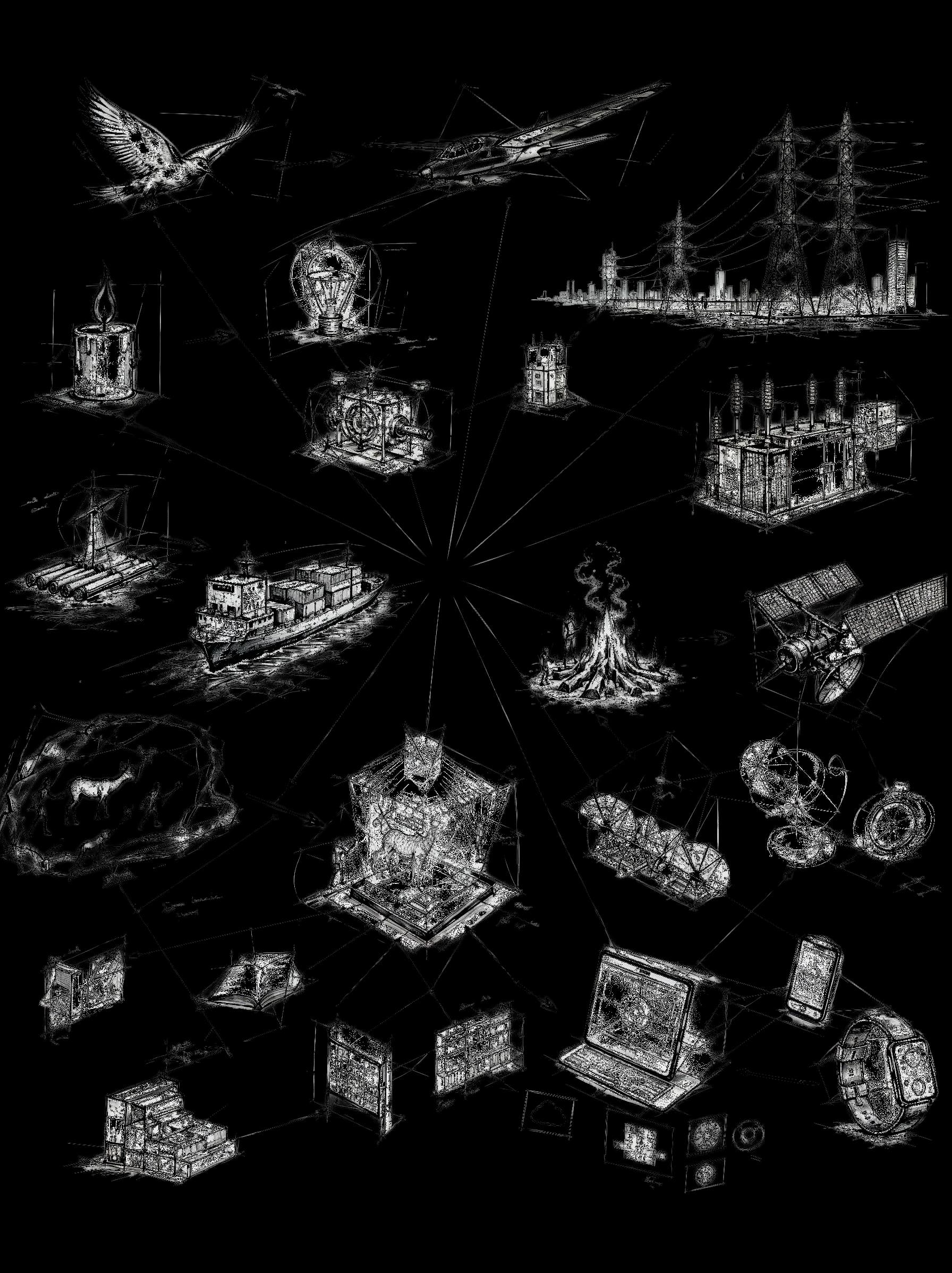
WHAT THESE SITUATIONS HAVE IN COMMON
The hardest cases are not those where information is missing. They are those where the organisation can describe the problem accurately and still cannot move on it. The limiting factor is decision, not diagnosis.
WHAT WE DO, IN ONE SENTENCE
We rebuild the picture, identify what is blocking the company, and work inside the organisation until the mandate has produced movement.
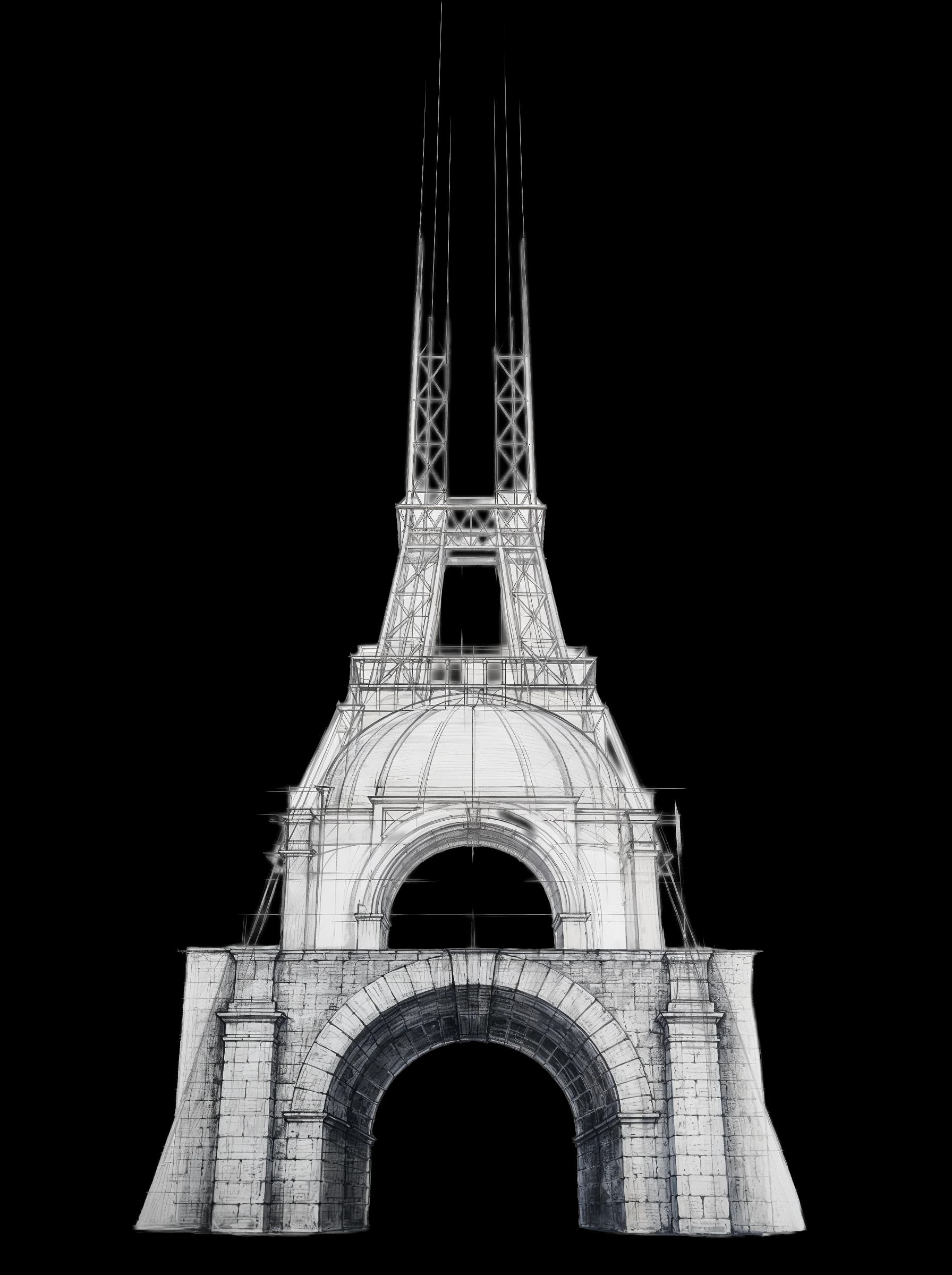
WHAT THIS LOOKS LIKE IN PRACTICE
Diagnosis across all dimensions
A diagnosis cannot be built from numbers alone. The chain of cause sits partly in the financials, partly in operations, partly in governance, partly in people and incentives. We follow it across all dimensions until we find the actual blockage.
Intervention where decisions are made
Once the diagnosis is shared, we move from analysis to execution. We work with the existing management, sit in the rooms where decisions are made, and remove the blockages one by one.
Capability that stays inside
We work with the people already in place, remove the blockages around them, and make sure the capability remains inside when we leave.
WHEN ORIVIUM IS THE RIGHT CHOICE
- Existing analysis or advisory work has not produced movement
- A defensible picture is needed before the next decision
- Decision-makers are willing to accept that the visible problem may not be the decisive one
- Senior judgement and direct intervention matter more than scale